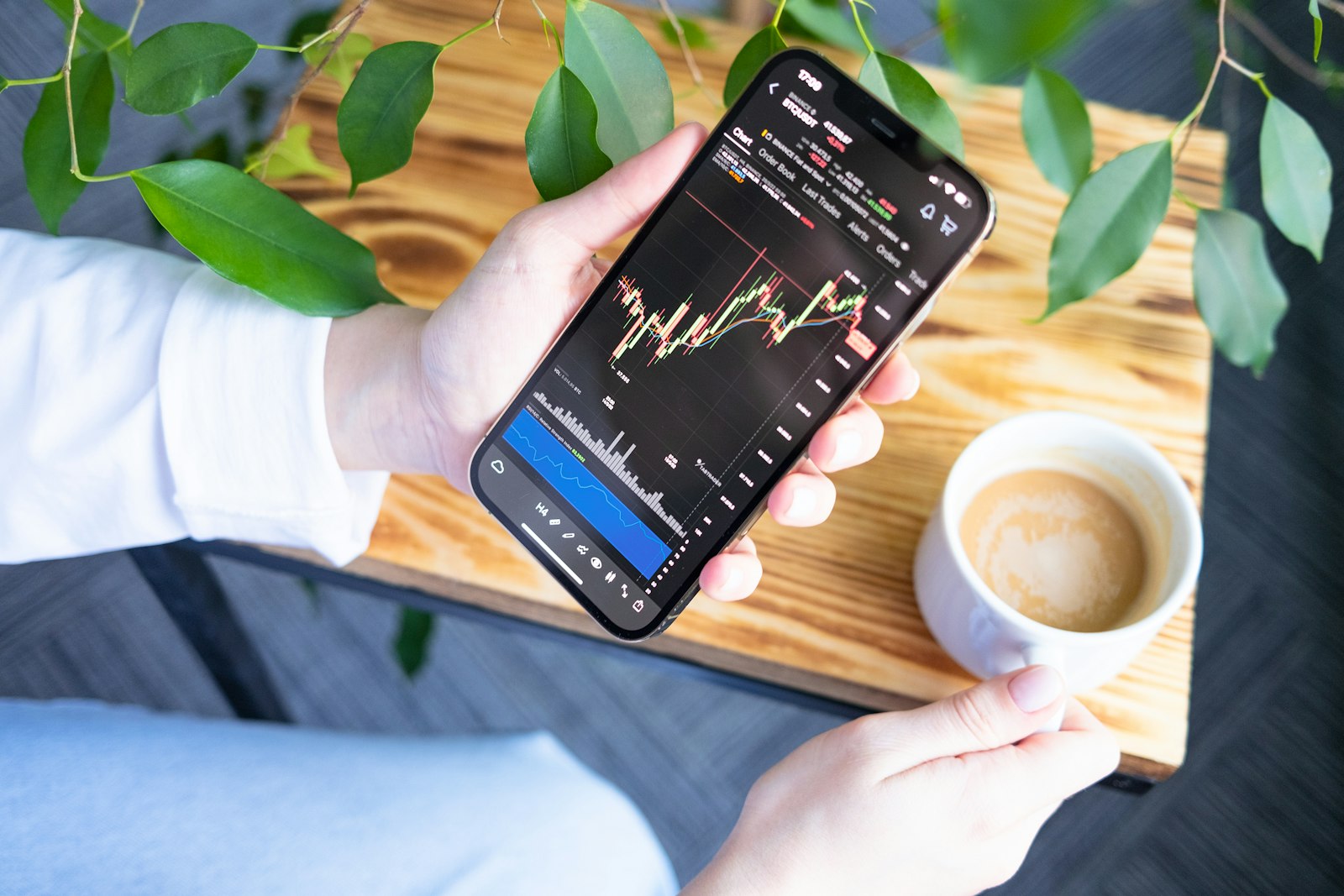
Crypto trading has grown fast in the Philippines, driven by mobile-first payment apps, an active online trading community, and easy access to exchanges that accept PHP. If you’re a beginner in the Philippines wondering how to start crypto trading safely, this guide walks through the basics step by step — without assuming you already know the jargon.
This is a general educational guide, not financial or legal advice. Crypto prices are volatile, and you can lose money. Always do your own research before using any exchange, wallet, or platform.
Is Crypto Trading Legal in the Philippines?
Cryptocurrency trading is legal in the Philippines. The Bangko Sentral ng Pilipinas (BSP) regulates Virtual Asset Service Providers (VASPs), which include many exchanges that let you buy crypto with PHP, while the Securities and Exchange Commission (SEC) oversees certain crypto-related securities and investment offerings. In practice, this means:
- Licensed local platforms operate under BSP oversight.
- International exchanges may or may not be officially licensed in the Philippines — check before depositing large amounts.
- Rules can change, so it’s worth checking official BSP and SEC announcements periodically rather than relying on older articles (including this one) for the latest legal status.
None of this is legal advice — if you have questions about a specific platform’s licensing status, check the BSP’s public list of registered VASPs directly.
Who Is This Guide For?
This guide is written for:
- Retail traders who want to start small and learn as they go.
- Students and young professionals curious about crypto but unfamiliar with trading terms.
- Anyone who has heard about GCash or Maya crypto features and wants to understand what they’re actually doing before pressing “buy.”
If you’re already trading actively, you may want to skip ahead to the risk management and tools sections.
Step 1: Understand the Basics of Crypto Trading
What Is Cryptocurrency?
Cryptocurrency is a digital asset that runs on a blockchain — a public, shared record of transactions maintained by a network of computers rather than a single bank or company. Bitcoin and Ethereum are the best-known examples, but there are thousands of others, ranging from established projects to highly speculative tokens.
If you’d rather watch a quick explainer than read one, this two-minute breakdown covers the basics:
This is a third-party video, not produced by Crypto Observe.
Trading vs Investing: What’s the Difference?
- Investing usually means buying an asset and holding it for months or years, expecting long-term growth.
- Trading means buying and selling more frequently, trying to profit from shorter-term price movements — which also means more frequent exposure to risk and fees.
Beginners often start by investing small, fixed amounts before attempting active trading, simply because trading requires more time, attention, and risk control.
Spot, Futures, and Staking in Simple Terms
- Spot trading: you buy or sell the actual asset at the current market price. If you buy 0.01 BTC, you own 0.01 BTC.
- Futures trading: you trade a contract based on the future price of an asset, often with leverage (borrowed exposure). This magnifies both gains and losses and is generally not recommended for beginners.
- Staking: locking up certain cryptocurrencies to help secure a network in exchange for rewards — closer to earning yield than active trading.
For beginners in the Philippines, starting with spot trading in small amounts is the most common and lowest-risk way to learn.
Step 2: Choose How You Will Buy Crypto in the Philippines
There are several practical ways to convert PHP into crypto:
Using GCash’s Crypto Feature
GCash offers an in-app crypto buying feature (often referred to as GCrypto) that lets users buy a limited selection of cryptocurrencies directly with their GCash balance, without needing a separate exchange account.
Using Maya Crypto
Similarly, Maya (formerly PayMaya) offers a crypto feature inside its app, letting users buy and hold select cryptocurrencies using their existing Maya wallet balance.
Using a BSP-Licensed or International Exchange
Dedicated exchanges typically offer more coins, more advanced order types, and lower spreads than wallet-app crypto features, but require a separate sign-up and verification process.
P2P Markets (USDT/PHP with GCash, Maya, Bank Transfer)
Peer-to-peer (P2P) marketplaces let you buy crypto (commonly USDT) directly from another individual, paying via GCash, Maya, or bank transfer. This is popular in the Philippines because it’s flexible, but it also carries more counterparty risk — see the safety notes in the next article on GCash and Maya purchases.
Step 3: Open and Verify Your Account
Whichever platform you choose, you’ll almost certainly need to complete Know Your Customer (KYC) verification: a valid government ID, a selfie or liveness check, and sometimes proof of address. Common issues Filipino users report include blurry ID photos, mismatched names between ID and account details, and expired IDs. Double-checking your documents before submitting can save you a rejected verification and a support ticket.
Step 4: Deposit PHP and Make Your First Trade
A typical first-trade flow looks like this:
- Cash-in PHP to your GCash, Maya, or exchange account.
- Convert PHP to your chosen cryptocurrency (directly in-app, or via P2P/exchange).
- Place a small first trade — many beginners start with an amount they’re fully comfortable losing, simply to learn the mechanics of the platform.
- Review the transaction: confirm the amount received, the fee charged, and the exchange rate used.
Step 5: Simple Risk Rules for Beginners
Before you trade more than a token amount, set basic rules for yourself:
- Never put money into crypto that you need for rent, bills, or emergencies.
- Consider capping your total crypto exposure to a small percentage of your overall savings.
- Avoid “all-in” trades on a single coin, especially low-liquidity or newly launched tokens.
- Decide in advance at what loss you’ll stop and step back, rather than deciding in the moment.
These rules are covered in more depth in our dedicated guide to crypto risk management for Filipino traders.
Common Mistakes Filipino Beginners Make
- FOMO buying: jumping into a coin because it’s trending on social media, without understanding what it does.
- Trading with borrowed money: using loans or credit to fund trades, which turns a normal loss into a debt problem.
- Chasing “guaranteed” signals: paid signal groups and “guaranteed profit” callers are a common source of losses, not gains.
- Falling for scam projects: fake tokens, fake exchanges, and phishing links imitating real platforms are common — always double-check URLs and app sources.
How to Keep Learning (and Avoid Scams)
- Follow official announcements from BSP, SEC, and the exchanges you actually use, rather than anonymous social media accounts.
- Be skeptical of anyone promising fixed, guaranteed daily returns — this is a classic sign of a scam.
- Cross-check any new platform against reviews from multiple independent sources before depositing funds.
Next Steps: Build Your Simple Trading Plan
Once you’re comfortable with the basics, the next steps are usually: comparing exchanges properly, understanding exactly how GCash/Maya/P2P purchases work, and putting real risk rules in writing. We cover each of these in the rest of this series — starting with a full comparison of the best crypto exchanges for Filipino traders.
Frequently Asked Questions
Is crypto trading legal in the Philippines in 2026?
Yes. Crypto trading itself is legal, and platforms operate under BSP oversight (as VASPs) or SEC oversight (as CASPs). What’s restricted is unlicensed platforms and certain asset types — see our regulatory update for what’s changed recently.
How much money do I need to start trading crypto in the Philippines?
There’s no fixed minimum — GCrypto and Maya let you buy crypto with amounts as small as a few hundred pesos. The more useful question is how much you can afford to lose without it affecting your rent, bills, or savings; start there, not with a target amount.
Can I buy crypto directly with GCash or Maya?
Yes, both apps have built-in crypto features (GCrypto on GCash, a similar feature on Maya) that let you buy a limited set of cryptocurrencies directly with your existing wallet balance, without opening a separate exchange account.
Do I have to pay tax on crypto trading gains in the Philippines?
Crypto gains can fall under existing BIR tax rules, and the details depend on how you’re trading (occasional buyer vs. frequent trader) and what changes as BIR guidance evolves. This isn’t tax advice — check current BIR guidance or a tax professional for your specific situation.
What’s the safest way for a complete beginner to start?
Start on a BSP-licensed platform (GCrypto, Maya, PDAX, or Coins.ph), buy a small amount you’re comfortable losing, and hold before you try active trading. Our exchange comparison breaks down licensing and fees if you outgrow a wallet app.