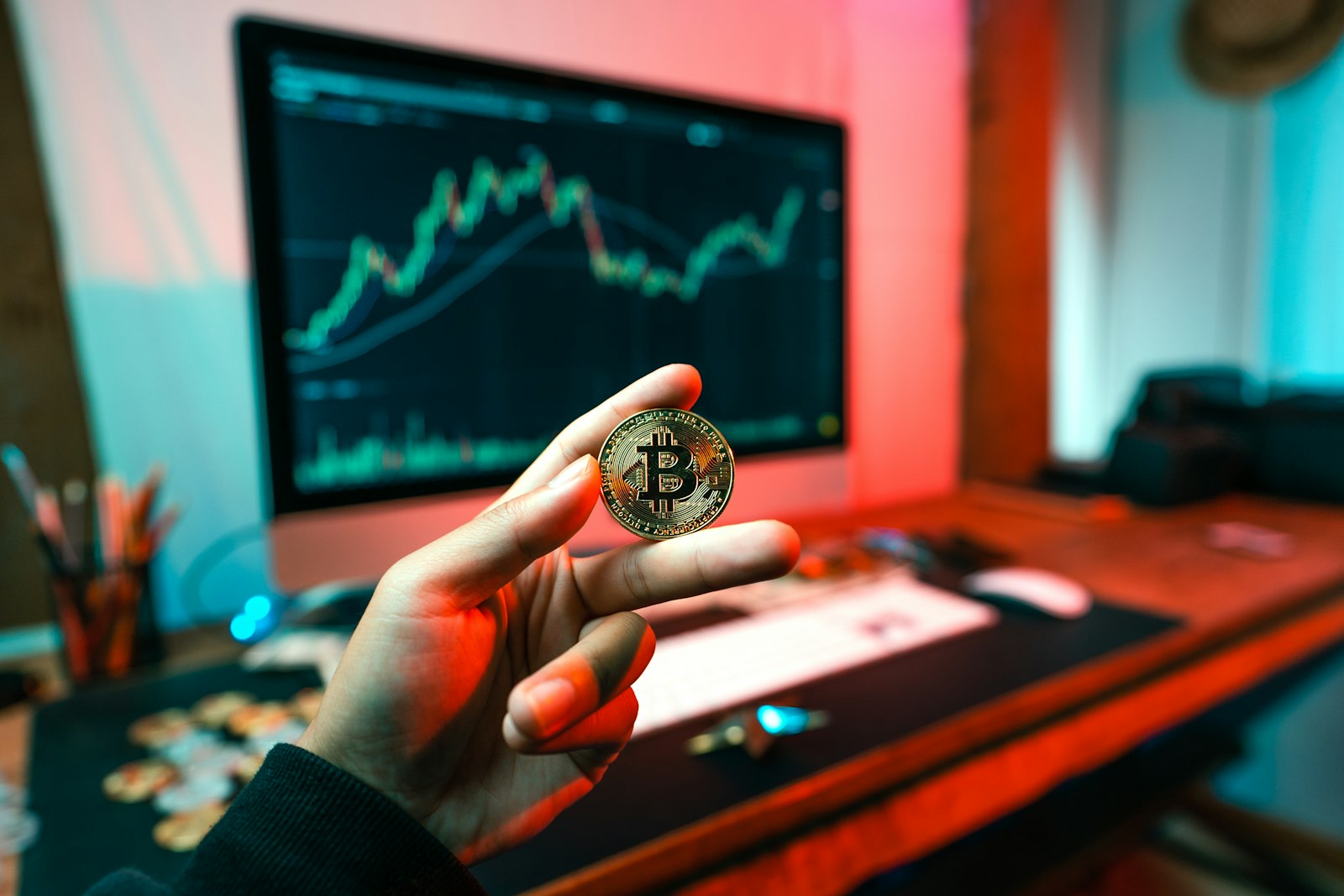
If you’ve spent any time in Filipino crypto group chats, you’ve seen it: someone posting a 10x, everyone asking “what’s the entry,” half the group aping in an hour later at the top. That’s degen trading. It’s a real, huge part of crypto culture — and also where most people who touch it lose money fast. This one’s for readers who’ve already been through our beginner’s guide and want to understand the riskier end of the spectrum honestly, not to be talked out of curiosity or into recklessness.
What Is “Degen” Trading?
“Degen” is short for degenerate — crypto slang, originally borrowed from gambling culture, for trading highly volatile or speculative assets with little research, chasing fast gains rather than long-term positions. The signature move is “aping in”: buying a project on hype and FOMO with minimal due diligence, often within minutes of hearing about it.
Why Degen Trading Is Popular Among Filipino Traders
According to BitPinas, Filipino traders are drawn into high-risk crypto investing largely through friends, influencers, and social media stories of people making life-changing money by being early on a low-cap coin. That pull is amplified by a broader cultural comfort with gambling-adjacent risk-taking, and it’s not unique to any one platform or app — it shows up across Telegram groups, Facebook communities, and X/Twitter alike.
The appeal is easy to understand: the market cap of the top-10 meme coin basket was up over 11% in a recent 30-day stretch, and individual tokens have posted far bigger swings — one coin (Cash Cat) gained over 108% in a single week during a recent rally. Stories like a trader reportedly turning under $3,000 into over $2 million on a single meme coin position are real, get shared constantly, and are exactly the kind of outlier that makes degen trading feel more achievable than it statistically is.
Typical Degen Strategies (and Why Most Lose Money)
- Aping into new launches based on social media buzz, before checking liquidity, holder concentration, or whether the contract has any red flags.
- Sizing positions the same size regardless of the bet — treating a meme coin the same as a blue-chip trade.
- No exit plan — buying with a target in mind but no actual sell order or discipline to act on it once emotions are involved.
- Chasing losses by doubling down on a losing position to “get back to even” rather than cutting it.
The numbers back up why this usually ends badly: by most trading-community estimates, over 95% of degen traders lose their entire trading account within three to six months. The handful of viral win stories are survivorship bias in action — for every account that 700x’d on a meme coin, there are hundreds that went to zero on similar bets that never got posted about.
Red Flags: When Degen Becomes Gambling
There’s a real line between “I’m allocating a small, known amount to high-risk plays for fun” and problem gambling behavior. Warning signs include: borrowing money or using credit to fund trades, chasing losses by increasing bet size rather than stepping back, hiding the extent of your trading from people close to you, and feeling unable to stop even when you’ve decided you should. If any of that sounds familiar, that’s worth taking seriously — this article isn’t the place for that conversation, but it’s worth having with someone.
How to Add Structure to Your Degen Trades
Position Sizing for High-Risk Plays
A common rule among more disciplined degen traders: cap total “degen” exposure (all speculative meme coin bets combined) to a small, fixed percentage of your total crypto holdings — an amount you’ve mentally already written off as spent, not money you’re tracking as still yours.
Hard Stop-Loss and Time Limits
Decide your exit — both a price level and a time horizon — before you buy, not after. Meme coin momentum fades fast, and “I’ll sell when it goes back up” is how small losses become total ones.
Separate “Degen” and “Core” Portfolios
Keep speculative plays in a separate wallet or sub-account from your main holdings. This isn’t just organizational — it removes the temptation to dip into “safe” money to fund one more degen trade, and makes it easy to see your actual degen win rate over time instead of a blended, flattering number.
Where PH Degens Actually Trade Meme Coins
Most meme coin activity happens on decentralized exchanges (DEXs) rather than the licensed platforms we covered in our exchange comparison — PDAX and Coins.ph generally don’t list brand-new, low-cap meme coins. Filipino degens typically fund a DEX-compatible wallet with USDT bought via P2P or a major exchange, then trade meme coins directly on-chain. That extra step is itself a useful friction — if a coin isn’t worth the hassle of bridging funds to trade it, that’s information.
Video: A Mainstream Look at Why Meme Coins Crash
This is a third-party video from PBS NewsHour, not produced by Crypto Observe.
Final Rules If You Insist on Playing Degen
- Only risk money you’ve already mentally written off.
- Set your exit before you enter, not after.
- Keep degen and core holdings in separate wallets.
- Never fund a trade with borrowed money or credit.
- If you notice yourself chasing losses, stop trading for the day — not “one more trade to fix it.”
Frequently Asked Questions
Is degen trading the same as gambling?
Structurally, yes — very short time horizons, minimal research, and outcomes driven largely by momentum and luck rather than fundamentals. The distinction most people draw is about control: a small, fixed, written-off allocation with hard rules is closer to controlled entertainment; funding it with borrowed money or chasing losses is the line into problem gambling behavior.
What percentage of my portfolio should go into meme coins?
There’s no universal number, but many disciplined traders cap total speculative/meme coin exposure in the low single digits of their overall crypto holdings — treated as money already spent, not tracked as recoverable capital.
Can I trade meme coins on PDAX or Coins.ph?
Generally no — licensed PH exchanges list established cryptocurrencies, not new low-cap meme tokens. Most meme coin trading happens on decentralized exchanges, funded via USDT moved from a licensed platform or P2P purchase.
Why do most meme coins eventually crash to zero?
Most have no underlying product, revenue, or utility — their value is driven entirely by attention and momentum. When social media interest moves to the next trending token, buying pressure disappears and there’s nothing fundamental left to support the price.